Present Implications of Imprisonment
The current condition of many correctional facilities in Nigeria does not adequately support rehabilitation or positive transformation. Instead of reforming inmates and preparing them for productive reintegration into society, harsh prison conditions, overcrowding, and inadequate rehabilitation structures often worsen criminal tendencies and create additional social challenges.
Pralarg International’s experience working within correctional institutions has revealed several major challenges affecting inmates and formerly incarcerated individuals, including:
1. Lack of Proper Classification
The absence of effective inmate classification systems often exposes non-violent offenders to hardened criminals, increasing the risk of negative influence and criminal transformation during incarceration.
2. High Cost of the Criminal Justice System
The criminal justice process in Nigeria is financially demanding for many inmates and their families. Legal fees, prolonged court proceedings, transportation, and other related expenses often create severe economic hardship, leaving many individuals and families financially devastated.
3. Social Stigmatization
Individuals who have passed through the criminal justice system — whether convicted, discharged, acquitted, or wrongly accused — often face social discrimination and rejection. This stigma makes reintegration difficult and discourages genuine efforts toward positive change.
4. Unemployment and Economic Exclusion
Many formerly incarcerated individuals struggle to secure employment after release due to their criminal history or social perception. The lack of employment opportunities increases vulnerability to poverty, frustration, and possible reoffending.
5. Housing and Reintegration Challenges
A significant number of released inmates have no stable place to live after release from prison. Some lose family support or social connections during incarceration, making reintegration into society extremely difficult.
6. Health Risks and Prison Overcrowding
Overcrowded correctional facilities contribute to the spread of diseases, infections, and poor health conditions among inmates due to inadequate healthcare and limited living space.
7. Mental and Emotional Trauma
Harsh prison conditions, prolonged detention, isolation, and uncertainty often affect the mental and emotional well-being of inmates, leaving some psychologically traumatized after incarceration.
Prisons and Society
Prisons and society are closely connected, and the condition of one directly affects the other. A society that neglects vulnerable individuals, ignores crime prevention, and fails to support rehabilitation will continue to experience rising crime rates and overcrowded correctional facilities.
Likewise, if inmates are not properly rehabilitated and reintegrated, many may return to society without the support, skills, or opportunities necessary for lawful living. This increases the risk of recidivism and social instability.
Many individuals within correctional facilities are victims of poverty, lack of education, unemployment, social circumstances, or delayed justice processes, while many others remain awaiting trial for prolonged periods.
Pralarg International believes that prevention, rehabilitation, education, and public enlightenment are essential to building safer communities and reducing incarceration rates. Through legal awareness, rehabilitation programs, social intervention, and community empowerment, the organization seeks to address the knowledge gaps and societal challenges that contribute to crime and imprisonment.
Our passion for justice, rehabilitation, and social transformation gave birth to PRALARG INTERNATIONAL because we believe the best time to act is now.
“So long as society has a system that lets people out of prison, it is responsible for what they become after release.” — Inspired by Erwin James
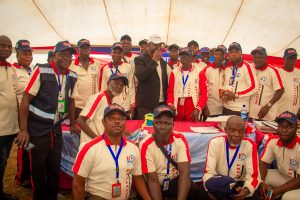
PRALARG Paralegal Volunteers
PRALARG Paralegal Volunteers are community-based individuals trained with basic knowledge of the law, human rights, dispute resolution, and the justice system. Their role is to assist vulnerable and disadvantaged individuals in understanding and asserting their rights without necessarily resorting to expensive and prolonged litigation.
Paralegal volunteers help promote access to justice, peaceful conflict resolution, respect for human rights, and the rule of law within communities. They also serve as community educators and advocates for lawful living and social development.
For effectiveness and community trust, paralegal volunteers are encouraged to work within their local communities where they can better understand the challenges, cultural realities, and needs of the people they serve. Through this approach, PRALARG INTERNATIONAL continues to strengthen community empowerment, legal awareness, and social justice initiatives across society.